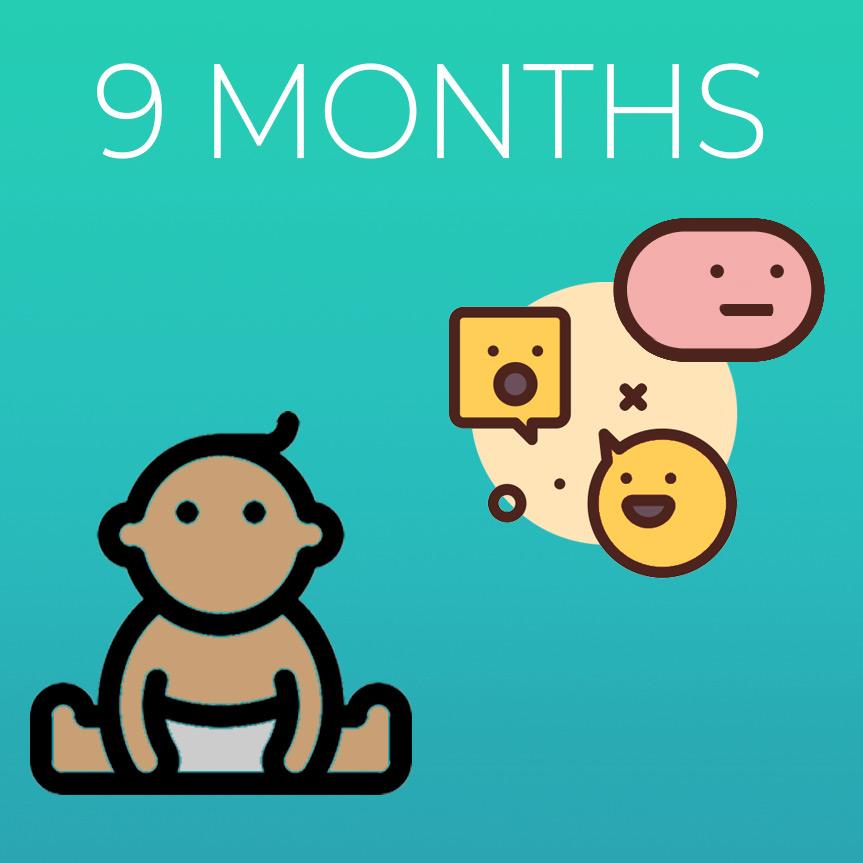
Does not:
• smile or show happiness
• make eye contact
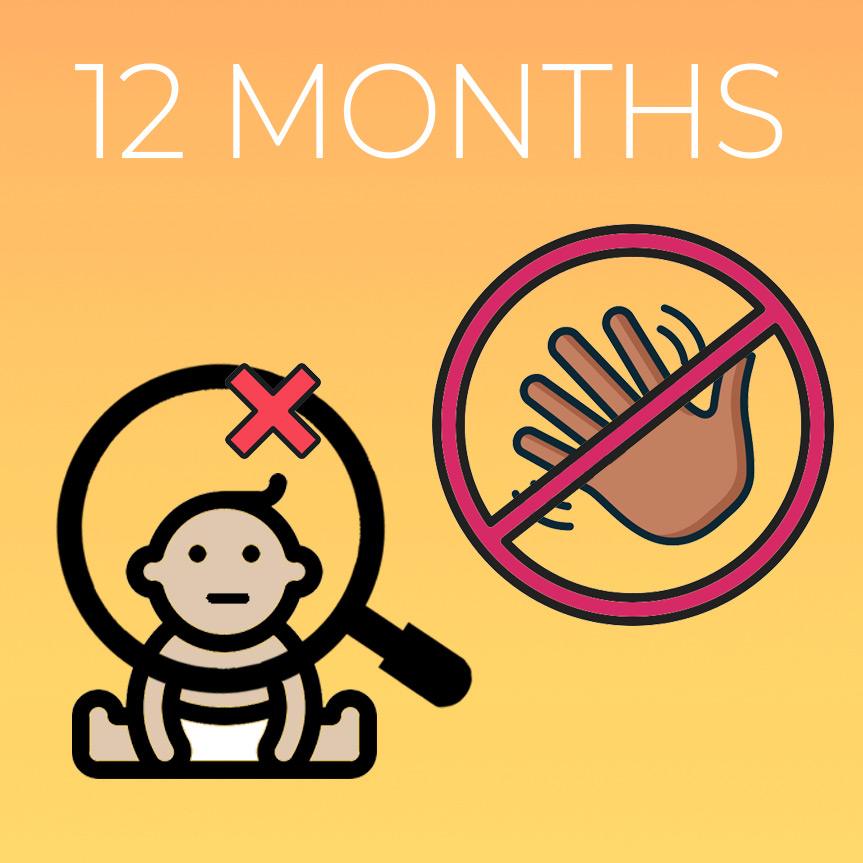
Does not:
• show facial expressions like happy, sad, angry, or surprised
• Interact with others
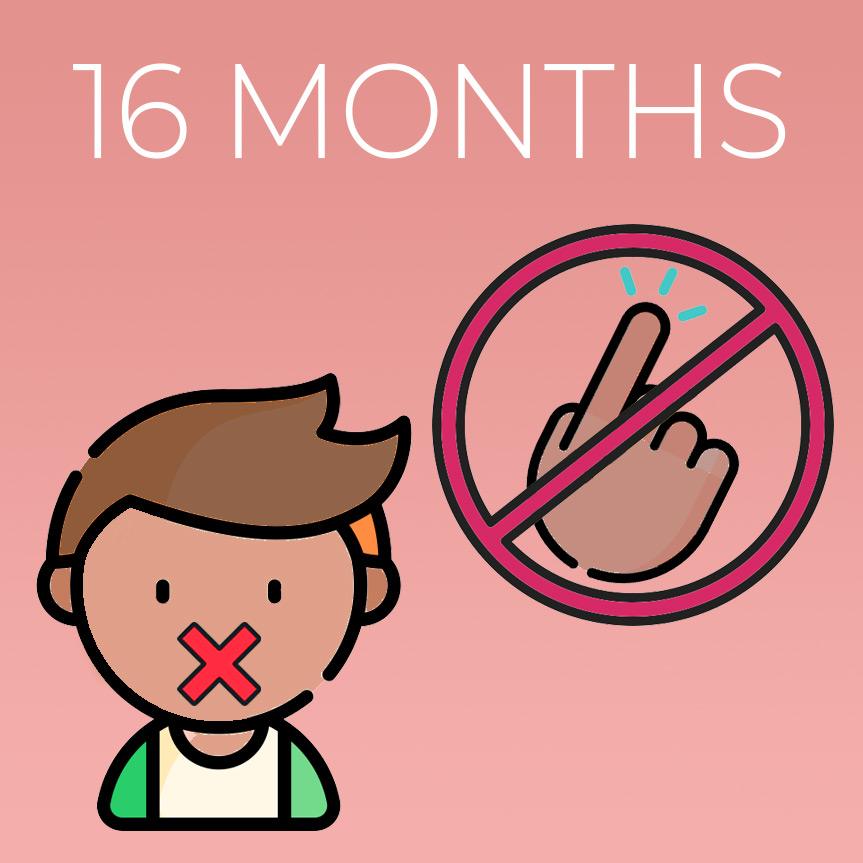
Does not:
• babble
• interact with gestures
• play simple interactive games like pat-a-cake
Does not:
• say many or any words
• point to show you something interesting
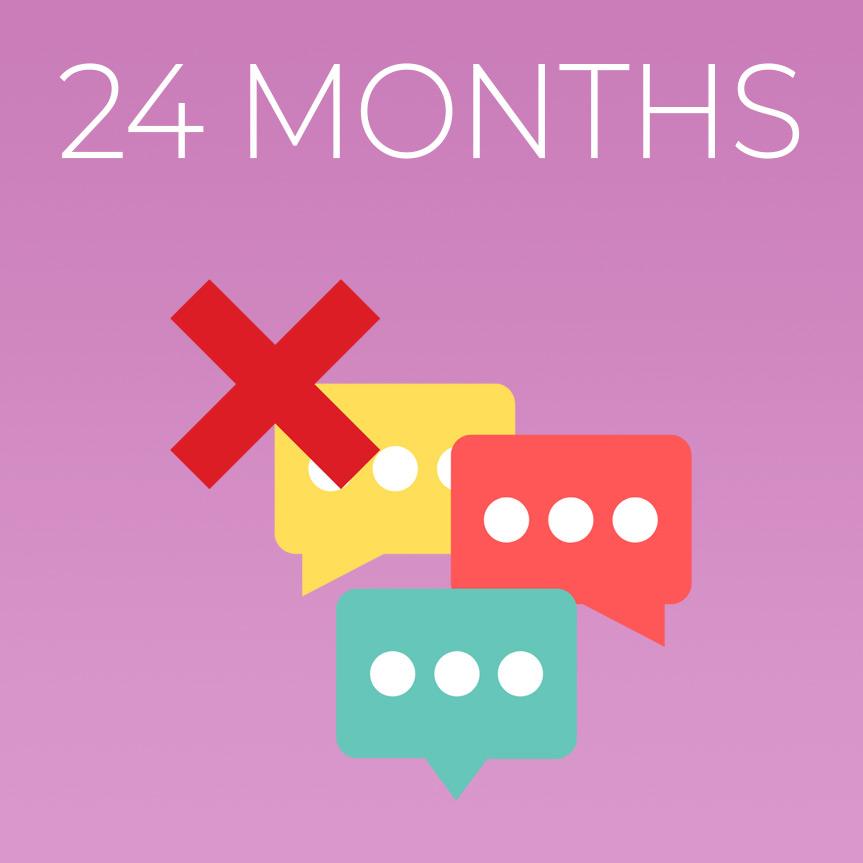
Does not:
• have extensive language
• notice when others are hurt or upset
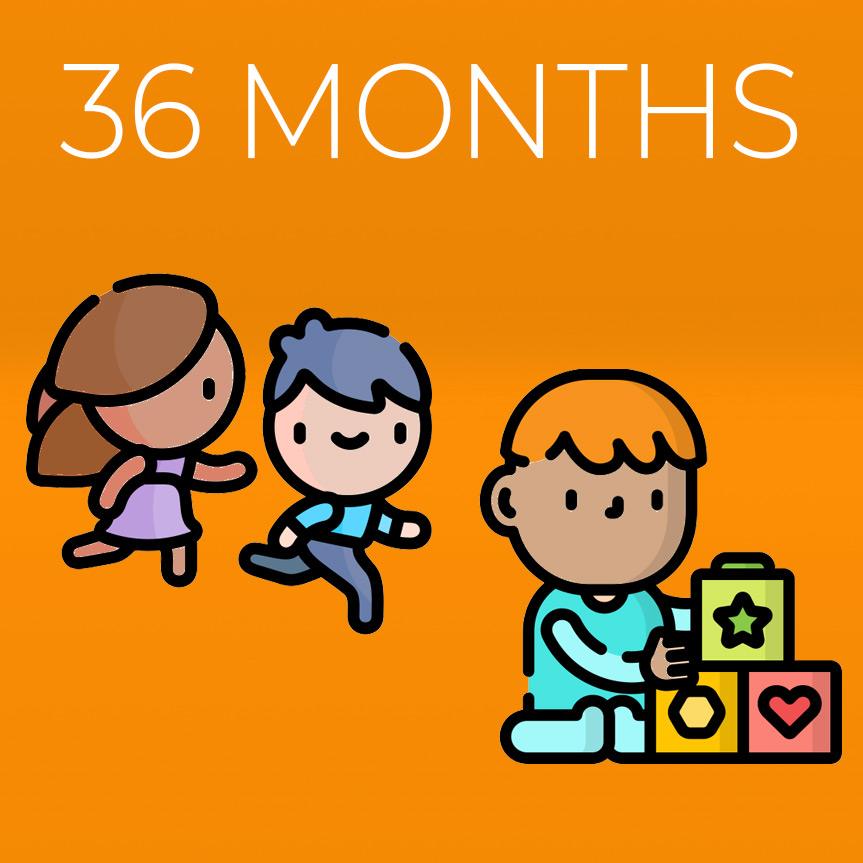
Does not:
• notice other children and join them in play
Additional signs of autism are:
Restricted or repetitive behavior
- Lines up toys or other objects and gets upset when order is changed.
- Repeats words or phrases over and over (called echolalia).
- Plays with toys the same way every time.
- Is focused on parts of objects (for example, wheels).
- Gets upset by minor changes.
- Has obsessive interests.
- Must follow certain routines.
- Flaps hands, rocks body, or spins self in circles.
- Has unusual reactions to the way things sound, smell, taste, look, or feel.
Developmental and behavioral problems
- Delayed language skills.
- Delayed movement skills.
- Delayed cognitive or learning skills.
- Hyperactive, impulsive, and/or inattentive behavior.
- Epilepsy or seizure disorder.
- Unusual eating and sleeping habits.
- Gastrointestinal issues, like constipation.
- Unusual mood or emotional reactions.
- Anxiety, stress, or excessive worry.
- Lack of fear or more fear than expected.
Early intervention is important